To develop resilience, you need energy. Physical condition is part of Team Heartbeats' 5 of Resilience and plays a big role in how energetic you feel. This includes 4 pillars: nutrition, exercise, relaxation and sleep. This time I'll tell you more about the power of relaxation, or how can you better "de-stress" (to use a trendy word for relaxation)? Stress can have a lot of effect on our health when we don't relax enough.
What is the meaning of stress?
Literally: experiencing too much pressure or tension. Nowadays, it mainly functions as a way to keep us afloat in a changing environment. Small changes are often not that complicated. You adapt quickly and the new pattern is quickly in your system. With big changes or things you have been doing automatically for a long time, it is different. This requires more adaptability and we find that difficult. People who experience long-term stress also have a greater "chance" of ending up in burn out. You are then literally burnt out because the stress has slowly built up in your body and it apparently no longer knows how to relax, leaving you 'on'.
Chronic stress is a real energy killer
Stress can affect our physical and psychological health quite negatively. We all experience stressful moments from time to time, and that short-term stress is fine. In fact, it is a useful response of our body in the event of danger, pain and fear, but also when it comes to delivering a good performance in your work or as an athlete in a competition, for example. You are sharp, experience focus and achieve results precisely because there is some pressure present. Stress only becomes a problem when it becomes chronic. We have often developed ways to cope with stress but those ways are not always effective which can lead you into a negative spiral. This is because our bodies adjust to the amount of stress. This affects your hormones and your body goes into survival mode. Your body's essential functions (such as the beating of your heart and organ functions) are given priority while less attention is paid to the other functions of your body (such as your digestion and immune system). If you experience prolonged stress because the bow is stretched too much and for too long, or because you sleep badly or worry, your body will eventually become so exhausted that burn out may be the result.
"Hellup I'm stressed."
We have also become accustomed to the word stress and use it a lot in our expressions. You may hear yourself say it often (unconsciously): I'm stressed, I'm stressing, exam stress, Christmas stress, vacation stress or what a stress day it was. Terms that did not exist 20 years ago! This says something about the degree to which we experience pressure. But has that pressure actually increased? Do we need to perform better and more under pressure these days? Or perhaps we can handle less? Many studies do show that the workload has increased and we have many more stimuli to deal with than before. In addition, we often ignore signals of stress. We think it's normal and then keep running ... chasing after it. The pressure also increases through social media where you always see the perfect picture and where it seems happiness is manufacturable. This makes it harder for us to accept negative events.
Stress and burnout in the healthcare industry
Did you know that, on average, the healthcare industry has a much higher dropout rate than other industries? This already starts during studies. Niek van den Adel, in his book "Put the patient on 2," cites disturbing figures that more than 55% of all medical students in the Netherlands experience burnout symptoms! Burn-outs are common in the healthcare sector; 1 in 8 young healthcare workers experience burn out and 1 in 3 often comes home overtired. The problem with always being too busy or stressed is that there is no reflection. Not only not on how your energy is doing but also not on your own functioning, how you work and the quality of care you provide, for example.
When stress is prolonged, it is important to recognize it and do something about it, and that is to take time for relaxation. Literally "de-stressing. It sounds so simple and yet in this modern society we find it extremely difficult. Because how do you de-stress?
Why do we find it so difficult to relax?
We are no longer used to doing nothing. We expose ourselves to a continuous stream of stimuli which causes our brains to become literally over-stimulated. Due to increasing work pressure and digitalization, we have acquired habits that do not contribute to relaxation. I share with you 9 practical tips that do contribute to good relaxation!
9 Practical tips for more relaxation!
1. Stop "stressing.
Stop using the word "stress" in all its forms and also the words "I'm busy/I'm busy. It indicates a certain yardstick and we like to use these words to measure ourselves against those around us. Because if you are 'busy' then you can then make up excuses as to why you didn't do certain things; after all, you were busy. In addition, you are actually telling the other person that you alone are busy and therefore the other person is not actually busy. Otherwise you wouldn't name it.
2. "I'm so bored....!"
Get into "boredom mode. Did you know that daydreaming is super relaxing for your brain? Doing nothing for a while makes you experience more focus and sharpness afterwards, be more creative and come up with solutions more easily. Tip: Go out on your own, take a walk in the woods or on the beach and settle down somewhere for, say, 15 minutes without doing anything (with no mobile in your hand, no music, no book). You will find at first that it may make you restless. Just let it happen and experience that restless feeling. It will subside as soon as you accept that it is okay to be there.
3. I am so tired
Get into bed on time and sleep at least 7 to 9 hours a night. Over the last 20 years, we have been sleeping less and less on average. Good sleep is essential for recovering from the day, staying energized and it makes you more resilient to stress.
4. Put your phone away
Turn off your Wifi and data for a few hours during the day or turn off your pop ups. You'll immediately have more time left over to really relax or focus better on a difficult task. It also prevents you from being busy on your cell phone or on social media all the time during your free time. People can still call you if you like.
5. Do everything with attention
Shift your focus from thinking to your body by sitting or lying down and following your breathing or counting your breaths in and out, or by noticing how the water feels on your skin in the shower, for example. After that, often the best ideas arise from a clear head.
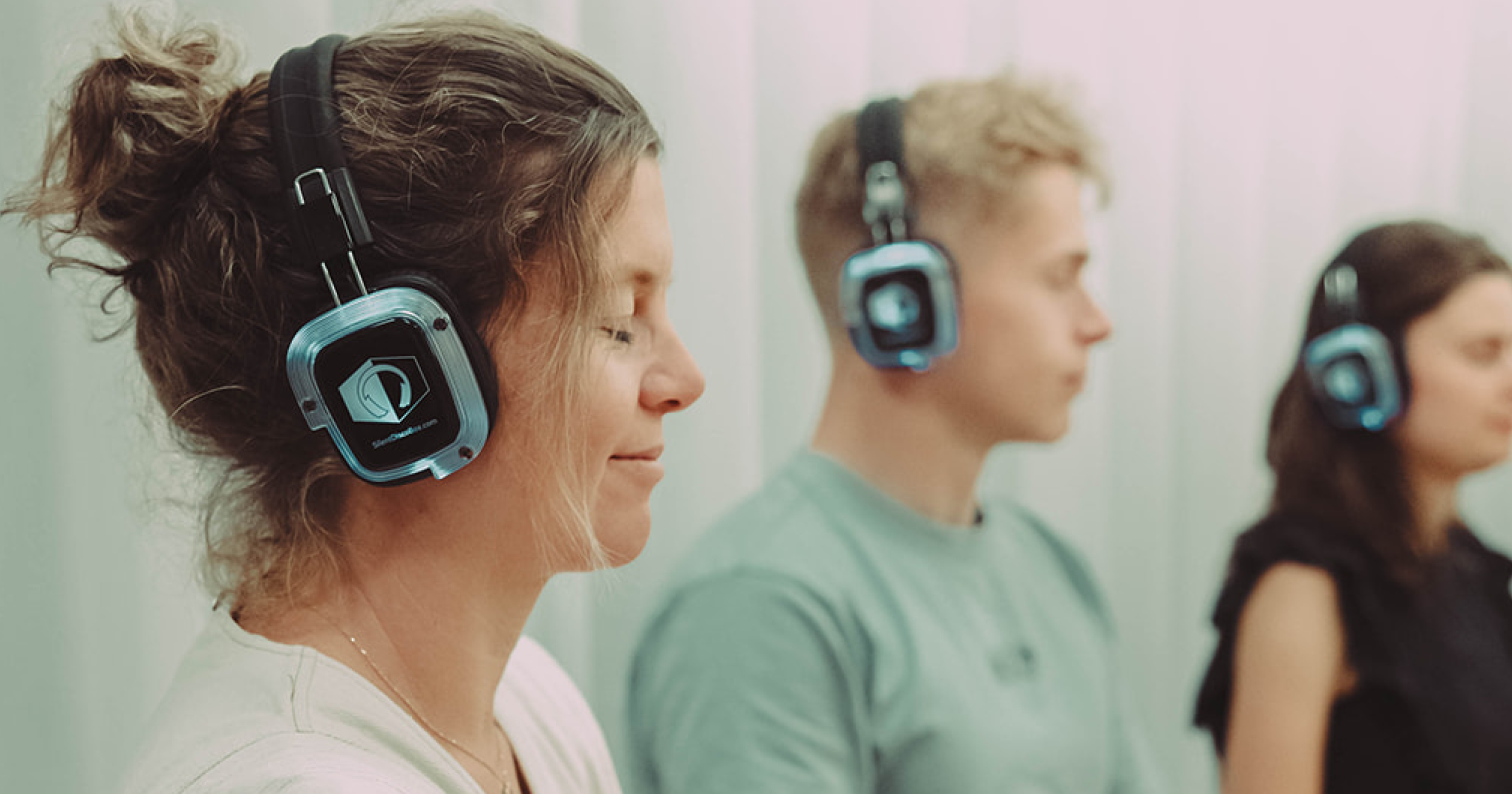
6. Practice mindfulness or meditate.
This really doesn't have to take hours. Once you grasp the skill, even 10 to 15 minutes will suffice. And it's also effective for brooding thoughts. Did you know that meditating before you go to sleep also ensures better and deeper sleep? Meditating after you sleep in the morning during the day will create more space in your head, sharper focus and better concentration. Sounds good right? There are great apps that can teach you how to meditate in an approachable way, such as Head Space and Meditation Moments.
7. Move!
Intense exercise makes your body produce the so-called neurotransmitters serotonin and dopamine, which creates a more positive mood. A brisk walk is also recommended. Outdoor air and sunlight work well for a more positive mood and for creating vitamin D. Yoga provides relaxation through exercise and focus. Plan your exercise time and arrange a buddy. That ensures that you actually go!
8. Engage in Free writing
This is a new trend: you sit down and write down everything that comes to mind for 5 minutes without thinking, without reading back. Keep writing without pause. It doesn't matter what you write. This makes for an empty and clear head. Perfect for in the morning to organize your thoughts.
9. Drink less coffee and alcohol and avoid sugars
These are stressors to your body. Not helpful when you want to relax in particular. We tend to consume alcohol after a busy day because we think it relaxes. In addition, consuming sugars regularly causes a restless blood sugar level which makes you tired. Leaving sugars and alcohol out in the evening makes for a better and deeper night's sleep.
Relax!
Now that you know about positive ways to relax more, it's just a matter of "doing it"! It reduces stress, which mentally makes you happier and more resilient and physically less likely to develop chronic diseases. More relaxation makes you more resilient and creates a stronger immune system. The balance between exercise and relaxation is essential to feel good about yourself, prevent chronic stress or burnout, and stay healthy longer!
Want to learn more about how to make yourself or your colleagues more resilient and how to better manage stress? Feel free to get in touch. Team Heartbeats is ready with experienced coaches and trainers to help your team function more relaxed.